Why Choosing the Perfect Coffee Machine is Essential for Australian Engineers
Evaluate Key Features
Analysing Brewing Technology
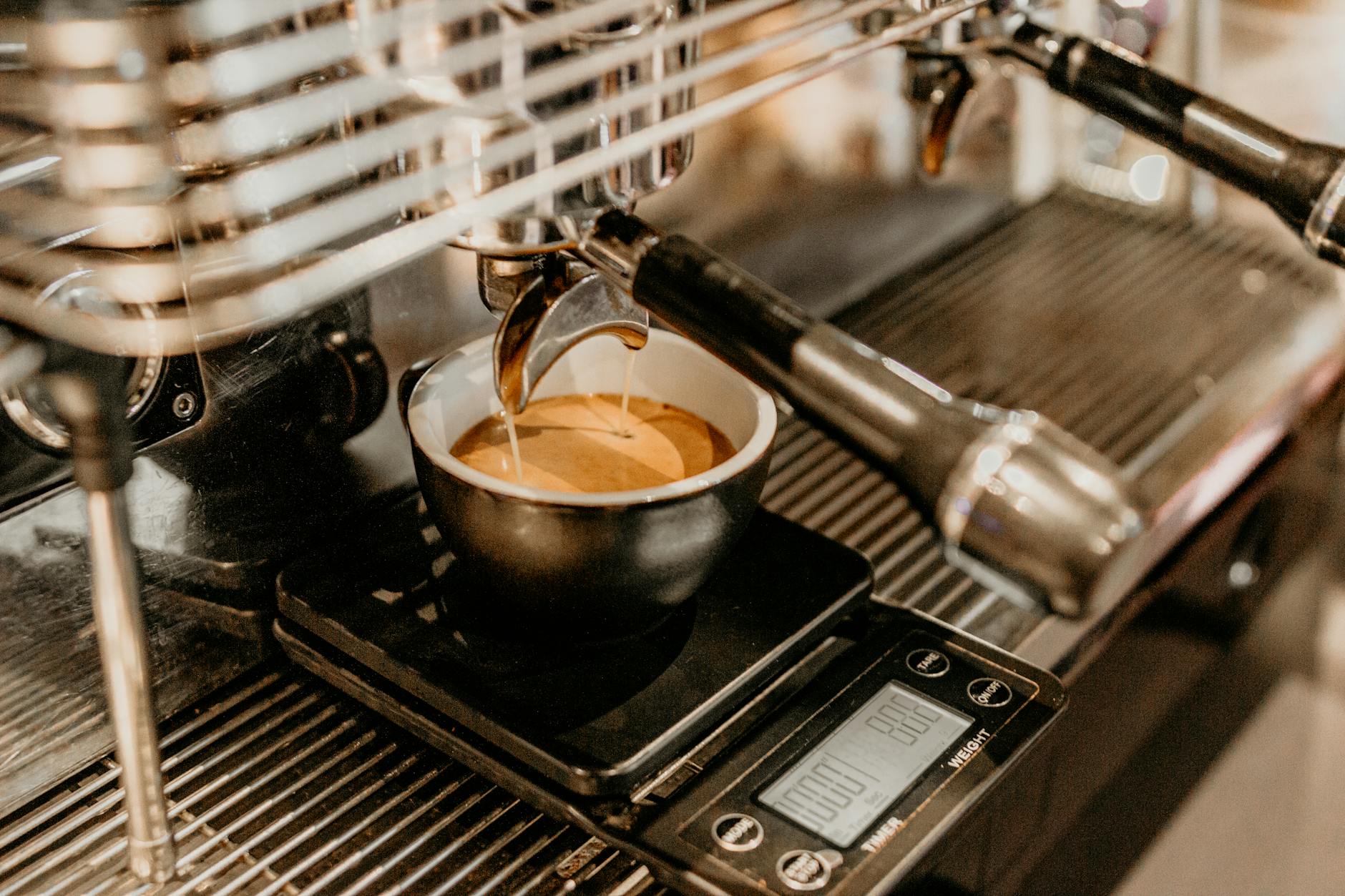
As a mechanical engineer, delving into the brewing technology of coffee machines requires a nuanced understanding of thermal dynamics and fluid mechanics, much like appreciating the sophisticated acoustics of the Sydney Opera House. Coffee machines come with varying brewing methods, from drip and espresso to cold brew and French press. For each type, the mechanics can be broken down into water heating systems, control valves, and pressure mechanics. Choosing the right technology involves evaluating how these components work in harmony to deliver the perfect cup.
Assessing Build Quality
The build quality of a coffee machine is crucial as it determines durability and performance — aspects I hold in high regard. Components like stainless steel boilers, ceramic grinders, and robust plastic housings should be meticulously examined. Just as the structural integrity of the iconic Sydney Opera House is without question, so too should the coffee machine's chassis be. A well-constructed machine offers longevity, minimises maintenance, and enhances user experience.
Examining User Interface
In a world driven by technology, the user interface cannot be neglected. Look for interfaces offering intuitive controls that simplify user interaction without compromising functionality. Touchscreens, programmable settings, and clear displays significantly contribute to user satisfaction, much like the seamless experience provided by installations at Barangaroo’s cutting-edge green innovations. A user-friendly interface can elevate a coffee machine from a mere appliance to a sophisticated companion.
Navigating Selection Challenges
Aligning with Market Trends
In the dynamic landscape of coffee machines, staying abreast of market trends is crucial. Whether you're a mechanical engineer analysing the cutting-edge green innovations at Barangaroo, or simply keeping an eye on evolving consumer needs, understanding these trends helps in choosing a machine that’s both contemporary and efficient. Innovations like smart sensors, which offer precise brewing measurements, reflect a shift towards more intelligent and adaptable appliances. Just as the Sydney Opera House stands as a testament to forward-thinking design, selecting a machine that embraces modern technological trends ensures you won't fall behind.
Balancing Innovation and Usability
Innovation should enhance usability, not complicate it. As technicians, we understand this balancing act can be as tricky as maintaining the heritage workshops at Cockatoo Island. Choose models that merge cutting-edge technology with user-friendly interfaces. While advanced machinery boasting IoT capabilities might dazzle, it's essential that these features translate into tangible ease-of-use for frequent users. Machines that strike this balance provide a seamless user experience without overshadowing essential functionalities.
Avoiding Obsolescence Risks
In the realm of engineering, avoiding obsolescence is vital. Much like maintaining engineering landmarks, selecting a machine with adaptability and longevity in design is crucial. Opt for machines that support firmware updates or proprietary enhancements. This foresight ensures that as your brewing habits or workplace dynamics change, your machine remains competent. A machine with a flexible architecture can adapt, keeping obsolescence at bay, and ensuring it serves you well into the future.